Paying the fine is not the end of the matter, it is a guilty plea entered by mail.
The ticket says fifteen days. Here is what each day is actually deciding
- The number printed on the slip
- Response windows are commonly around fifteen days from issuance, but the count and its starting point vary by state and by court. The figure on your own citation is the only one that governs.
- Issuance versus filing
- Some courts count from the day the officer wrote the ticket, others from the day it was filed with the clerk. A phone call to the clerk settles which, and the difference can be several days.
- Postmark or receipt
- Mailed responses are treated as timely in some courts on the postmark and in others only on arrival. Assuming the more generous rule is how otherwise careful drivers end up in default.
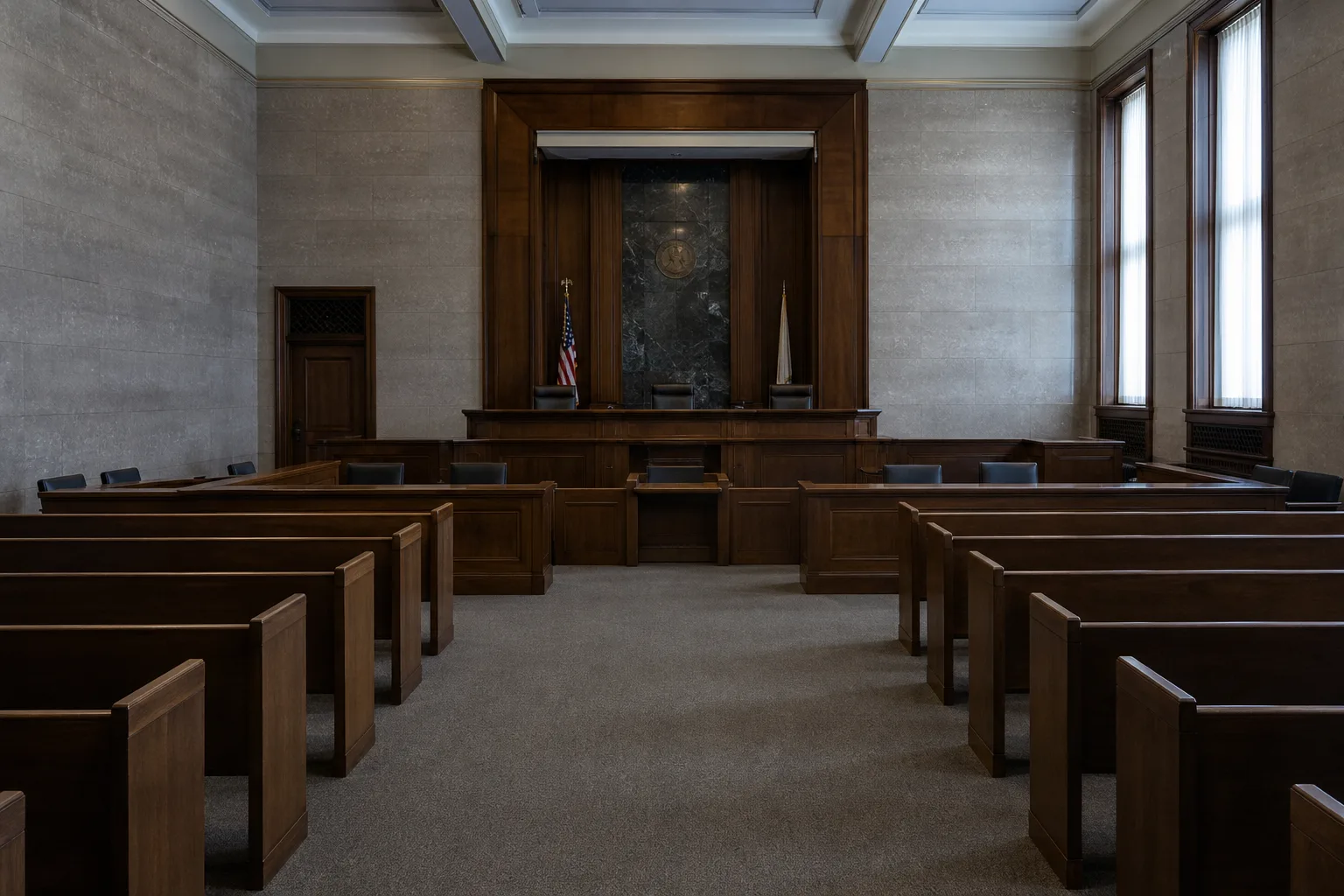
A default judgment is not a loss on the evidence. The court records the infraction as committed without ever examining the speed measurement, the officer's notes, or anything you would have said.
The response window printed on a citation is short, and letting it lapse converts a contestable ticket into a committed infraction with costs attached.
Read what was actually charged
The officer hands over a slip of paper, drives off, and the transaction feels finished. It is not. Somewhere on that slip, usually in small type near the signature line, is a number of days and an instruction about what has to reach the court within them. In Washington that window is commonly fifteen days from issuance, and comparable windows run in most states, but the figure on your citation governs, not the figure a friend remembers. Everything that follows in the case, including whether there is a case at all, runs off that date.
The deadline is a jurisdictional fact, not a suggestion
Courts treat the response window differently from almost every other date in an infraction file. Hearing dates get continued, discovery gets extended, attorneys get accommodated. The initial response deadline is the one that tends not to move, because until you respond the court has no case, only a filed citation and a clock. Missing it does not mean a judge hears the matter without you and rules against you on the evidence. It means the court enters a finding that the infraction was committed, without ever reaching the radar reading, the officer's notes, or anything you might have said about the road that day.
Notice what that removes. A contested hearing puts the burden on the state, and a mitigation hearing at least lets you speak to the amount and the timing. A default takes both off the table and substitutes an administrative result. The paperwork after that is about relief from the judgment rather than the merits of the stop, and relief is discretionary, procedurally fussier, and frequently unsuccessful. The cheapest thing available in the first two weeks is simply telling the court, in writing or online, which of the available responses you are choosing.
What a default actually costs, item by item
The fine is the smallest part. A default typically adds a late penalty, and many courts refer unpaid balances to collections, which layers a percentage-based fee on top of a figure that was already the full amount rather than the negotiated one. The infraction is then reported to the licensing agency as committed, which is the trigger that matters, because insurers price off the driving record and not off the court's file. Depending on the state and the violation, an unresolved balance can also suspend the license, and a suspension carries its own reinstatement fee, its own paperwork, and its own insurance consequence.
Put those together and the arithmetic changes shape. A citation with a face value in the low hundreds becomes a multi-year premium adjustment plus penalties plus, occasionally, a suspension that costs a job with a driving requirement. The National Highway Traffic Safety Administration is responsible for federal motor vehicle safety policy, but the record that follows you belongs to your state licensing agency, and it does not distinguish between a driver who fought and lost and a driver who never answered the mail. That indifference is the argument for answering early even when the answer is undecided.
The order the decisions have to be made in
First decision: preserve the option. Filing a request for a contested hearing within the window costs nothing in most jurisdictions and stops the default clock, which buys weeks or months before anything else has to be settled. Second decision: read the citation for what is actually charged, since the difference between a speed measured in a school zone and the same speed on an arterial is a difference in fine, in points, and in how insurers treat it. Third decision: decide whether the record consequence, not the fine, justifies bringing in counsel.
That third decision is where the money is, and it is worth being blunt about the comparison. A flat fee for representation on a routine infraction is a known number paid once, while an infraction on the record is an unknown number paid monthly for three to five years, and the second figure is often the larger one. Drivers weighing that trade in King County commonly start by pricing what a Seattle Traffic Lawyer charges for a single citation and comparing it against a quote from their own insurer for the same violation added to the policy. The comparison is usually short and usually clarifying.
What to do in the first forty-eight hours
Photograph the citation, both sides, before it goes in a drawer and stays there. Find the issuing court by name, not by county, because municipal, district, and traffic violations bureaus handle the same road differently and the portal you need is the one named on the ticket. Confirm the exact deadline by calling the clerk, who will tell you whether the count runs from issuance or from filing and whether postmark or receipt controls. Then file the response that keeps the most doors open. Everything after that can be reconsidered; the deadline cannot.
The useful thing about this stage is how cheap it is. Almost nothing that happens in the first two weeks is irreversible, and almost everything that happens after a default is expensive to undo, which is an unusually clean asymmetry for a legal process. A driver who does one small thing on time keeps every later choice, including the choice to just pay it and move on.